
Make Every Shift Run Like Clockwork
Today we dive into Daily Operations Checklists for Pop-Up Retail and Food Carts, transforming chaotic mornings into repeatable wins. From permits and prep to service flow, safety, and closeout, you’ll find practical steps, lived examples, and ready-to-use cues. Build confidence, protect margins, and delight guests with consistency. Share your own field-tested checkpoints, subscribe for weekly refinements, and help this community sharpen what works when time, space, and weather refuse to cooperate.
Open With Confidence
Start the day by turning uncertainty into a short, calm ritual. A smart opening checklist protects sales, keeps inspectors happy, and frees your headspace for serving guests. A cart in Portland cut twelve minutes from setup after adding a three-line preflight. Borrow what fits, adapt the rest, and capture tiny wins that compound across busy weekends.

Par Levels and Replenishment Rhythm
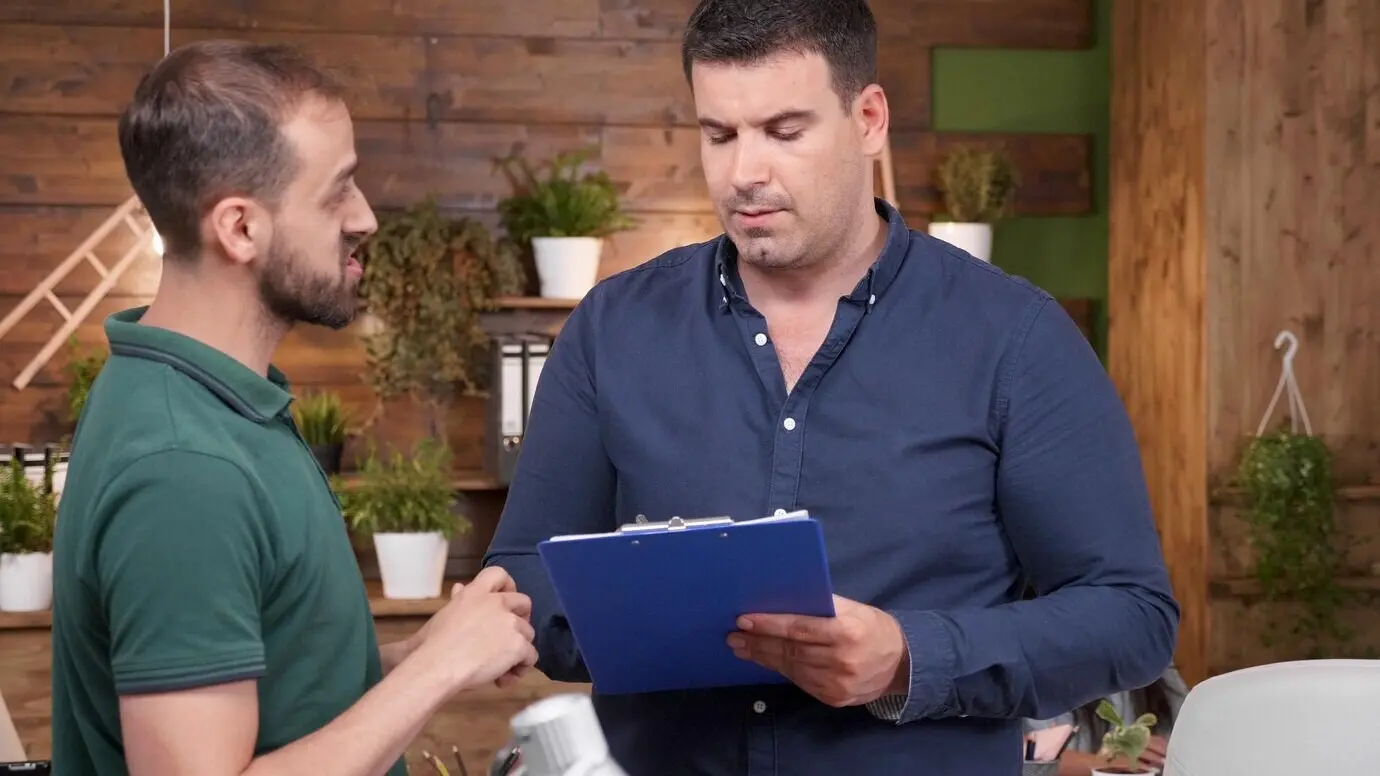
Set minimum and maximum quantities based on three signals: sales history, event schedule, and temperature. Print par sheets by category. During lulls, top up to par rather than “full.” Record adjustments and reasons, building intuition that outperforms memory when fatigue and noise blur judgment.

Prep, Holding, and Label Discipline
Batch sauces, toppings, and components to safe holding times. Label every container with item, date, time, and preparer initials. Rotate with first-in, first-out discipline. Keep a visible discard list to normalize throwing away expired items, protecting guests and margins without hesitation or debate.
Customer-Ready Presentation
First impressions decide whether passersby stop, smile, and order. A simple checklist for visibility, clarity, and hospitality removes guesswork under pressure. Make prices obvious, menus legible, and pathways welcoming. A cart that looks ready signals competence, cleanliness, and care long before conversation begins.

Service Flow and Team Communication
Under pressure, clarity beats charisma. Establish micro-roles, call-and-response cues, and handoff points so food and goods move smoothly without collisions. Short, visible checklists reduce noise, protect quality, and let new teammates contribute within minutes, even when the line suddenly triples.

Roles, Handoffs, and Short Codes
Define who greets, who assembles, who finishes, and who runs. Use verb-first tickets and stickers to avoid ambiguity. Create two-word codes for common changes. When someone steps away, a laminated card shifts roles instantly, preserving rhythm without long explanations or mistakes.

Speed, Accuracy, and Quality Gates
Add simple gates that catch errors early: readback at payment, visual check before handoff, and temperature spot-checks on the hour. These seconds save remakes and refunds. Bonus: guests notice the ritual, trust the brand, and happily tell friends about smooth experiences.
Cash, POS, and Compliance
Money touches trust. A disciplined sequence for cash integrity, digital transactions, receipts, and logs keeps operations clean and defensible. When technology fails or rules change, your checklist becomes a lifeline that documents diligence, recovers consistency, and calms anxious conversations with auditors or hosts.
Mobility, Weather, and Site Logistics
Scout in daylight when possible. Note slope, clearance, outlets, water, and emergency exits. Park to serve lines, not convenience. Lock cables, shield connections, and log generator hours. A predictable routine reduces setup time and saves favors with market managers and neighbors.
Decide in advance when to lower awnings, secure signage, and close lids. Store perishables away from sun and stack weight low. Keep towels, clamps, and bungees in labeled bins. Clear triggers prevent arguments and keep operations steady when gusts or showers appear suddenly.
Introduce yourself early, trade phone numbers, and agree on shared boundaries. Position speakers responsibly, mind generators, and plan breaks so lines do not block others. Share trash strategies. Cooperative habits turn occasional conflicts into partnerships that attract crowds and improve overall event success.
Closing, Review, and Tomorrow’s Setup

Clean Down and Equipment Care
Scrape, wash, rinse, sanitize, and air-dry in order, signing off each stage. Empty and wipe coolers, purge lines, and backflush espresso or soda. Coil cords neatly. A thorough close reduces morning stress, extends gear life, and communicates pride to anyone opening next.
End-of-Day Counts and Reporting
Reconcile cash to POS, noting comps, voids, and discounts with reasons. Count high-cost items and waste separately. Email a snapshot to owners or partners. Trends emerge quickly when numbers are consistent, enabling smarter orders, staffing tweaks, and confident negotiations with organizers and vendors.
Debrief, Learnings, and Tomorrow’s List
Hold a five-minute huddle. What surprised, delighted, or slowed the team? Capture one fix per person, then add it to tomorrow’s checklist. This habit compounds improvements, builds ownership, and turns a moving operation into a predictable experience guests recommend without being asked.
All Rights Reserved.